
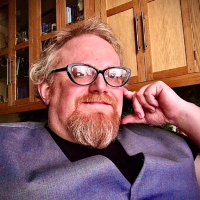
About Michael
Michael Harland is a counsellor who aims to help people feeling stuck, overwhelmed or worn down by life. He works with issues such as anxiety, depression, stress and relationship concerns, and he lists LGBT among his areas of focus. He uses straightforward conversation to help people notice feelings and patterns that matter.
Michael favours an approach that lets emotions lead the work rather than making talk the goal. He describes this as depth-oriented therapy, where the focus is on accessing feelings that may be held under thinking or avoidance.
Background and approach
That style is often paired with mindfulness practices to help people settle and notice what is happening in the body as well as the mind. He also draws on psychodynamic ideas to look at how early experiences and attachment can shape current patterns. That can help people understand recurring problems like difficulty with intimacy, commitment issues or codependency.
Sessions usually explore patterns over time and how they turn up in everyday life. Michael has five years of professional experience and holds BACP registration, which appears as BACP in his profile. He works from the United Kingdom and provides sessions in English.
He accepts international clients. He is careful about who depth work suits and cautions that this approach is not recommended for people in the middle of a crisis or those who have experienced very severe trauma or non-drug-induced psychosis. In such situations he advises seeking care that focuses more on stabilisation and practical coping first.
What Michael works with
Everything Michael lists, in their own terms. LGBT is the reason Michael is listed here; the rest shows what else Michael works with.
- Stress, Anxiety
- Trauma and abuse
- Self esteem
- Depression
- ADHD
- Addictions
- LGBT
- Relationship issues
- Family conflicts
- Grief
- Intimacy-related issues
- Eating disorders
- Sleeping disorders
- Parenting issues
- Anger management
- Career difficulties
- Coping with life changes
- Coaching
- Compassion fatigue
- Abandonment
- Adoption and foster care
- Attachment issues
- Autism and Asperger Syndrome
- Avoidant personality
- BDSM, kink, and alternative sex culture
- Blended family issues
- Body image
- Cancer
- Chronic pain, illness, and disability
- Co-morbidity
- Codependency
- Commitment issues
- Communication problems
- Control issues
- Coping with natural or human-caused disaster
- Dependent personality
- Disruptive Mood Dysregulation Disorder (DMDD)
- Dissociation
- Divorce and separation
- Domestic violence
- Drug and alcohol addiction
- Eating and food-related issues
- Emptiness
- Family of origin issues
- Family problems
- Fatherhood issues
- Fertility issues
- Forgiveness
- Gender dysphoria
- Guilt and shame
- Hoarding
- Hospice and end-of-life counselling
- Immigration issues
- Impulsivity
- Infidelity
- Isolation / loneliness
- Jealousy
- Life purpose
- Men's issues
- Midlife crisis
- Veteran and Armed Forces Issues
- Money and financial issues
- Mood disorders
- Multicultural concerns
- Narcissism
- Obsessions, compulsions, and OCD
- Panic disorder and panic attacks
- Paranoia
- Personality disorders
- Phobias
- Polyamory / non-monogamous relationships
- Post-traumatic stress
- Process addiction (porn, exercise, gambling)
- Seasonal Affective Disorder (SAD)
- Self-harm
- Self-love
- Sex addiction
- Sexual assault and abuse
- Sexual dysfunction
- Sexuality
- Smoking / vaping cessation
- Social anxiety and phobia
- Somatization
- Trichotillomania
- Workplace issues
Approaches Michael lists
Listing an approach is not evidence of training in it. This directory copies what each counsellor names and does not check training records.
Mindful and depth-oriented work delivered online
Michael uses Mindfulness Therapy to help people become more aware of bodily sensations, thoughts and emotions. That simple noticing can reduce reactivity and help with anxiety, stress, sleep and body-image concerns.He also draws on Psychodynamic Therapy, which looks at how past relationships and early patterns influence present behaviour. This approach can be useful for issues such as intimacy problems, attachment difficulties, abandonment and recurring relationship patterns.
Finding the right way of working is part of the process. The therapist will collaborate with each person to decide whether mindfulness, psychodynamic work or a mix of both best fits their goals and current needs. Clients are involved in setting the pace and focus of sessions.
The biography does not list which session formats are offered, so confirm available options before booking. Online therapy can make it easier to fit sessions around work or family life, reduce travel time and allow shorter check-ins when needed. It can also make it simpler to access therapists who practise from different locations in the United Kingdom or internationally.
Questions people ask about Michael
What difficulties can be raised in sessions?
Sessions cover a wide range of concerns including stress, anxiety, depression, trauma and abuse, relationship and intimacy issues, addiction, ADHD and LGBT-related matters among others.
How would you describe the way you work with clients?
He offers depth-oriented work that prioritises feeling over thought, alongside mindfulness and psychodynamic ideas to help people notice patterns and bodily experience.
What is his clinical background and experience?
He has five years of professional experience working with psychological and relational concerns and uses both mindfulness and psychodynamic approaches.
What credentials and where is he based?
He is listed with BACP and practises from the United Kingdom.
Which languages and international arrangements are supported?
Sessions are offered in English and he accepts international clients.
What session formats are available?
The original biography does not specify session formats, so please confirm current session options with the service before booking.
How are fees and payments handled?
Cost varies with location and therapist availability, and sessions use a subscription that can be cancelled at any time.
How do I begin working with him?
Start by selecting the Start Therapy button, completing a short matching questionnaire, and then scheduling based on the therapist's availability.
More counsellors who work with stress & anxiety
See all of them
Hanna Seely
NCPS
3 years in practice
Supportive counsellor for life changes
- Stress, Anxiety
- Relationship
- Grief
Madison Webb
BACP
23 years in practice
Compassionate counsellor for life and relationship challenges
- Stress, Anxiety
- Relationship
- Anger

Nicola White
BACP
4 years in practice
Compassionate counsellor helping people find balance
- Stress, Anxiety
- Family
- Trauma and abuse