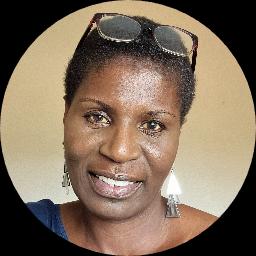
Sharon Boyd
BACP, NCPS
13 years in practice
Compassionate counsellor for stress and loss
- Stress, Anxiety
- Trauma and abuse
- Grief
UK counsellors who list LGBT
1,144 UK counsellors list both LGBT and social anxiety and phobia among their specialties. All offer sessions online; each profile shows who they are registered with.
This page lists counsellors who specialise in social anxiety and phobia, with details on therapeutic approaches, professional registration and languages offered.
Browse the profiles below to learn about different approaches and identify counsellors whose experience and style suit your needs.
BACP, NCPS
13 years in practice
Compassionate counsellor for stress and loss
BACP
6 years in practice English, French
Practical counselling for stress, identity and relationships
BACP
15 years in practice
Warm client-centred counsellor
NCPS
6 years in practice
Compassionate counsellor for LGBT and life challenges
10 years in practice
Therapist offering practical, compassionate support
BACP
10 years in practice
Gentle, practical counselling for life challenges
BACP
6 years in practice
Practical, compassionate counselling for life changes
BACP
5 years in practice
Helping people become their authentic selves
BACP
8 years in practice English, Portuguese
Counsellor offering thoughtful, tailored support
NCPS
18 years in practice
Supportive person-centred counsellor
BACP
4 years in practice
Experienced person-centred counsellor for adults
NCPS
4 years in practice
Supportive counsellor for life transitions
BACP
12 years in practice
Gentle, practical support for anxiety and loss
BACP
6 years in practice
Practical counselling focused on strengths
NCPS
8 years in practice
Warm client-centred counselling with practical tools
BACP
8 years in practice English, Romanian
Warm client-centred counsellor for practical change
BACP, NCPS
5 years in practice
Calm, practical counselling for life changes
BACP
6 years in practice English, Thai
Compassionate counsellor for life transitions
BACP
4 years in practice
Calm practical support for change
BACP
8 years in practice
Calm, practical therapy for life’s hard moments
NCPS
15 years in practice
Supportive counsellor for stress and addiction recovery
BACP
6 years in practice
Compassionate counsellor for practical change
NCPS
7 years in practice English, Afrikaans
Calm, reflective counselling for life challenges
BACP
3 years in practice
Calm, person-centred support for life changes
4 years in practice
Practical support for life, mood and relationships
BACP
15 years in practice
Practical, respectful counselling for change
BACP
4 years in practice
Calm, client-focused counsellor supporting life changes
BACP
9 years in practice
Compassionate counsellor for emotional resilience
BACP
12 years in practice
Supportive BACP counsellor for practical change
BACP
3 years in practice
Person-focused counsellor using practical tools
BACP
6 years in practice
Calm, reflective counselling with practical steps
BACP
11 years in practice English, Spanish
Transcultural person-centred counsellor
BACP
20 years in practice
Person-centred counsellor for stress and identity
BACP
6 years in practice
Experienced UK counsellor for everyday challenges
BACP, NCPS
4 years in practice
Compassionate holistic counselling focused on change
BACP
3 years in practice
Practical, compassionate counselling for life changes
NCPS
7 years in practice English, Turkish
Compassionate counsellor focused on values and skills
BACP, NCPS
6 years in practice
Experienced person-centred counsellor for LGBT clients
BACP
6 years in practice
Experienced counsellor with practical focus
BACP
6 years in practice English, Swahili
Compassionate relational therapy for everyday struggles
6 years in practice
Compassionate practical therapy for everyday struggles
BACP
20 years in practice
Person-centred counsellor blending practical approaches
BACP
6 years in practice
Compassionate counsellor for life changes
BACP
4 years in practice
Practical, client-centred support for life challenges
BACP
5 years in practice
Calm, trauma-informed counsellor for adults
BACP
5 years in practice
Compassionate counsellor for life changes
NCPS
7 years in practice
Compassionate counsellor for stress and identity
BACP
9 years in practice
Humanistic BACP counsellor for relationship patterns
Some links on this page are partner links. We will earn a commission if you sign up through one, at no cost to you. It does not change what you pay or the order of the listings.
Social anxiety and phobia are terms used to describe persistent, intense worry about social situations and the possibility of negative judgement. For some people that worry centres on specific situations such as public speaking, meeting new people or attending parties. For others it is more pervasive, affecting many interactions in daily life. The emotional experience often includes fear, embarrassment and a strong urge to avoid situations that might trigger scrutiny. Over time avoidance can narrow social contact, limit opportunities at work or in relationships and intensify feelings of isolation.
People respond to social anxiety in different ways. Some notice physical symptoms such as trembling, a racing heart, blushing or nausea when they anticipate being seen by others. Others focus on internal thoughts - rehearsing what might be said, catastrophising outcomes or assuming others are judging harshly. Behavioural reactions tend to follow these thoughts and feelings, with avoidance or safety behaviours - for example speaking very softly or sticking to the edge of a room - becoming habitual. Understanding this pattern - how thoughts, feelings and behaviours interact - is often the first step towards change.
If social worry affects your choices and daily functioning, therapy can offer structured support. You might find that anxiety leads you to turn down social invitations, avoid networking at work, or limit romantic and friendship possibilities. Perhaps you expend a lot of mental energy preparing for conversations or replaying interactions afterward. If these patterns cause distress, interfere with work or study, or leave you feeling chronically lonely or frustrated, that's an indication that talking with a counsellor could be helpful.
Other signs that therapy may be useful include strong physical reactions in social settings, reliance on alcohol or substances to manage nerves, or a sense that anxiety prevents you from meeting personal goals. You do not need to wait until things feel overwhelming to seek help. Early engagement with a counsellor can introduce practical tools and a plan to address avoidance gradually. For people whose identity intersects with LGBT experiences, social anxiety can be shaped by earlier stigma or fears about disclosure, and some counsellors specifically describe experience working with LGBT clients, which may feel relevant to your search.
Early sessions usually focus on understanding your experience and agreeing realistic goals. A counsellor will ask about when anxiety began, what situations are most difficult and how you currently cope. They will explore the impact on work, relationships and wellbeing, and discuss any prior helps you have tried. Together you will identify priorities - for example wanting to feel calmer in group situations, to reduce avoidance, or to build confidence when initiating conversations. The aim is to form a collaborative plan that reflects your values and pace.
Therapy often includes a mix of talking, reflection and practical exercises to try between sessions. You can expect to learn techniques to manage acute anxiety, such as breathing or grounding strategies to reduce physical arousal, and to practise noticing and testing anxious thoughts. Counsellors commonly introduce gradual behavioural experiments so that you can approach rather than avoid feared situations in a manageable way. Progress is usually incremental; sessions provide a place to review what worked, adjust the plan and build on small successes.
Counsellors take a range of approaches to social anxiety and phobia, and many list multiple methods among their practice. Cognitive and behavioural approaches focus on the link between thoughts, feelings and behaviours and often include behavioural experiments and exposure work. Psychodynamic or relational approaches explore how past experiences and attachment patterns shape current expectations in social relationships. Integrative counsellors blend techniques from different traditions to match a client's needs and learning style.
Some therapists include mindfulness and acceptance-based methods that teach you to relate differently to anxious thoughts rather than trying to eliminate them. Others work with skills such as social skills training, assertiveness practice and role-play to increase confidence in specific situations. When reviewing profiles, you will see that counsellors often describe which approaches they draw on. That description is a starting point for a conversation about how they might adapt their work to your particular experience.
Online therapy has become an established way to access counselling, especially if in-person options are limited by geography, mobility or timing. For social anxiety, online sessions can feel more approachable because you can connect from your own home, or from another familiar setting. You will usually meet by video, phone or instant messaging depending on what the counsellor offers and what you prefer. Before you begin, it is helpful to choose a room where you will not be interrupted and where you can maintain a calm environment; ensure you have a quiet space at home for sessions if possible to allow full focus and openness.
Online work often follows the same structure as in-person therapy - assessment, goal-setting, skill teaching and graded exposure - but with adaptations. For example, exposure tasks might include making phone calls, joining small online groups, or gradually increasing video interactions. Some people find that practising social tasks online feels less daunting at first, making it easier to transfer gains to face-to-face situations. If you have concerns about technology or the practicalities of remote work, discuss these with a counsellor before starting so arrangements can be agreed that support a consistent therapeutic process.
Finding a counsellor who feels like a good fit is important. You might start by looking for people who state experience with social anxiety and phobia and who reference registration with recognised UK bodies such as the BACP, HCPC or NCPS. Registration provides reassurance about professional standards and ethical practice. Read profiles to learn about the kinds of approaches counsellors list, the settings they work in and any specialist populations they mention, such as work with LGBT clients or experience with performance anxiety.
Think about practical match as well - the style of counselling, session format and language options can all matter. Some counsellors emphasise a practical, structured style while others describe a reflective, relational approach. None of these descriptions guarantees outcomes but they give you material for an initial conversation. When you contact someone, consider asking about how they personalise work for social anxiety, how they structure exposure tasks and how progress is reviewed. Trust your judgement about whether you feel heard and understood in that first exchange. Over time a collaborative relationship that honours your pace and goals is the clearest predictor of useful therapy.
Deciding to seek help is a meaningful step. Whether you prefer in-person sessions with a local counsellor or the flexibility of online work, the information provided in profiles below can help you identify counsellors whose registration, approaches and experience align with what you need. Use first consultations to gauge fit and to build a plan that feels manageable. With consistent effort and a supportive therapeutic relationship you can learn new ways of responding to social situations and expand your confidence in everyday life.