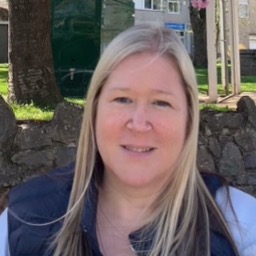
About Stephanie
Stephanie Boosey is a counsellor who helps people process what feels overwhelming. She works with adults who are dealing with stress, anxiety, grief, depression and questions about identity, including LGBT concerns. She aims to listen without judgement and to create a supportive space for people to talk through what matters to them.
Stephanie brings six years of recent practice alongside longer experience in clinical work and education. She uses a person-centred approach and draws on several therapeutic methods to suit each person’s needs.
Background and approach
Sessions focus on understanding feelings, spotting unhelpful patterns, and developing practical ways to cope. Clients can expect a collaborative way of working. Stephanie describes counselling as a shared process where the client’s experience guides the work and the counsellor offers tools, awareness and respectful curiosity.
Techniques may include mindfulness practices, cognitive work to challenge unhelpful thoughts, and approaches that attend to attachment and present-moment experience. Her listed approaches include Attachment-Based Therapy, Client-Centred Therapy, Cognitive Behavioural Therapy (CBT), Eye Movement Desensitization and Reprocessing (EMDR) and Mindfulness Therapy.
EMDR may be used when trauma and distressing memories are part of the difficulty, while CBT and mindfulness help with everyday worries and mood symptoms. Stephanie holds NCPS as a credential and practises in the United Kingdom.
She accepts international clients and offers support for a broad range of life challenges such as trauma, relationship difficulties, recovery from abuse, addictions, parenting strain and chronic health concerns.
What Stephanie works with
Everything Stephanie lists, in their own terms. LGBT is the reason Stephanie is listed here; the rest shows what else Stephanie works with.
- Stress, Anxiety
- Trauma and abuse
- Grief
- Self esteem
- Depression
- Addictions
- LGBT
- Relationship issues
- Family conflicts
- Intimacy-related issues
- Eating disorders
- Sleeping disorders
- Parenting issues
- Anger management
- Career difficulties
- Bipolar disorder
- Coping with life changes
- Coaching
- Compassion fatigue
- ADHD
- Abandonment
- Adoption and foster care
- Attachment issues
- Autism and Asperger Syndrome
- Body image
- Caregiver issues and stress
- Chronic pain, illness, and disability
- Communication problems
- Control issues
- Divorce and separation
- Domestic violence
- Drug and alcohol addiction
- Family problems
- Forgiveness
- Guilt and shame
- Isolation / loneliness
- Jealousy
- Life purpose
- Men's issues
- Mood disorders
- Narcissism
- Obsessions, compulsions, and OCD
- Panic disorder and panic attacks
- Phobias
- Postpartum depression
- Post-traumatic stress
- Seasonal Affective Disorder (SAD)
- Self-harm
- Self-love
- Social anxiety and phobia
- Traumatic brain injury
- Women's issues
- Workplace issues
- Young adult issues
Approaches Stephanie lists
- Attachment-Based Therapy
- Client-Centred Therapy
- Cognitive Behavioural Therapy (CBT)
- Eye Movement Desensitization and Reprocessing (EMDR)
- Mindfulness Therapy
- Solution-Focused Therapy
- Somatic Therapy
- Trauma-Focused Therapy
Listing an approach is not evidence of training in it. This directory copies what each counsellor names and does not check training records.
How therapy approaches shape online sessions
Attachment-based work looks at patterns in relationships and early bonds to understand how those patterns affect current feelings and reactions. It helps people who struggle with trust, closeness or intense emotional responses to others. Client-centred therapy focuses on listening and creating a non-judgemental space where the client sets the pace; it supports people who need to be heard and to make sense of their experience. Cognitive Behavioural Therapy (CBT) helps identify unhelpful thoughts and habits and teaches practical skills to change how someone thinks and behaves in everyday life.Finding the right approach is part of the work. The therapist will talk with the client about goals, preferences and the problems they bring, and will suggest methods that fit. That decision is made together and can be adjusted as therapy progresses.
The biography does not list specific session formats, so confirm which options are available before booking. Online therapy can make it easier to fit sessions into a busy week, reduce travel time, and allow for shorter check-ins when needed. It can also suit people who prefer to work from familiar surroundings or who need a quieter setting, and the therapist will discuss practical arrangements and what works best for each person.
Questions people ask about Stephanie
What kinds of problems can I bring to counselling?
Issues listed include stress, anxiety, trauma and abuse, grief, depression, addictions, self-esteem, relationship and intimacy concerns, eating or sleeping problems, parenting strain, anger and career worries among others.
How would she approach therapy with me?
Work is collaborative and person-centred. Sessions combine listening with practical techniques from approaches such as CBT, mindfulness and attachment-based work to help you manage feelings and develop coping strategies.
What background does the counsellor have?
The profile records six years of recent experience. The counsellor also notes broader clinical practice and education that inform her therapeutic work with adults and young people.
Where is the counsellor based and what credential is shown?
She practises in the United Kingdom and holds NCPS as the listed credential.
Can I work with her if I live outside the UK?
International clients are accepted, and sessions can be arranged for people living in other countries.
What session formats are used for appointments?
The original biography does not specify session formats. Please confirm the current session options before booking so you know what is offered.
How does cost work for sessions?
Cost varies with location and therapist arrangements; sessions are provided via a subscription that can be cancelled at any time.
How do I begin if I want to try counselling?
Start by selecting the Start Therapy button, complete a short matching questionnaire, and then schedule sessions according to the therapist's availability.
More counsellors who work with stress & anxiety
See all of them
Ruth Lynch
NCPS
4 years in practice
Practical cognitive therapy with a collaborative style
- Stress, Anxiety
- Relationship
- Self esteem

Marie Shakespear
BACP
5 years in practice
Accessible counsellor for stress and relationships
- Stress, Anxiety
- Relationship
- Trauma and abuse

Laura Edwards
BACP
7 years in practice
Experienced counsellor supporting personal change
- Stress, Anxiety
- Trauma and abuse
- Grief