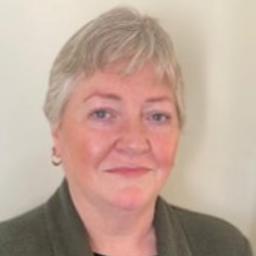
Sharon Boyd
BACP, NCPS
13 years in practice
Compassionate counsellor for stress and loss
- Stress, Anxiety
- Trauma and abuse
- Grief
UK counsellors who list LGBT
219 UK counsellors who list LGBT among their specialties also list Somatic Therapy among their approaches. Listing an approach is not evidence of training in it; ask directly how they use it.
Somatic Therapy focuses on the connections between body sensation and emotional experience, using body-based awareness alongside conversation to support change. Below you can browse therapists who list Somatic Therapy among their approaches and view their focus areas and professional details.
BACP, NCPS
13 years in practice
Compassionate counsellor for stress and loss
10 years in practice
Therapist offering practical, compassionate support
BACP, NCPS
5 years in practice
Calm, practical counselling for life changes
NCPS
7 years in practice English, Afrikaans
Calm, reflective counselling for life challenges
4 years in practice
Practical support for life, mood and relationships
BACP
6 years in practice
Experienced UK counsellor for everyday challenges
BACP
3 years in practice
Practical, compassionate counselling for life changes
BACP
4 years in practice
Practical, client-centred support for life challenges
NCPS
3 years in practice
Warm person-centred counsellor supporting life changes
BACP, NCPS
17 years in practice
Practical therapy for anxiety and life changes
BACP
26 years in practice English, Bosnian
Experienced UK counsellor focused on practical support
BACP
3 years in practice English, Central Khmer
Calm, practical counselling with mindfulness roots
BACP
7 years in practice
Compassionate counsellor for trauma and relationships
BACP
20 years in practice
Experienced counsellor for complex emotional issues
BACP
7 years in practice
Relational counsellor helping people build self-acceptance
BACP
10 years in practice
Practical, person-led counselling for everyday struggles
BACP
9 years in practice
Understanding, practical counselling support
NCPS
6 years in practice
Accessible online counsellor for everyday struggles
BACP
3 years in practice
Client-led counselling grounded in relationship work
BACP
11 years in practice
Calm, practical counselling for life challenges
BACP
8 years in practice English, Hindi
Collaborative counselling for relationships and trauma
BACP
15 years in practice
Experienced counsellor for adults and teens
BACP
5 years in practice
Counselling that listens and builds on strengths
NCPS
5 years in practice
Calm, practical support for life changes
BACP
15 years in practice
Experienced relationship and anxiety counsellor
BACP
12 years in practice English, French
Experienced counsellor using attachment and CBT approaches
BACP
6 years in practice
Gentle, practical counselling for everyday struggles
BACP
6 years in practice English, Gujarati
Supportive counsellor blending practical therapy approaches
9 years in practice
Compassionate, practical counselling for real-life struggles
BACP
5 years in practice
A warm, practical counsellor focused on change
BACP
27 years in practice English, Portuguese
Experienced counsellor for relationship and loss issues
BACP
13 years in practice
Compassionate practical counselling for life changes
NCPS
6 years in practice
Supportive counsellor for life changes and identity
BACP, NCPS
5 years in practice
Compassionate, human-centred counselling for practical change
BACP
4 years in practice
Compassionate counsellor blending listening and practical therapy
BACP
15 years in practice
Experienced UK counsellor for personal change
BACP
3 years in practice
Guided support for anxiety and life changes
BACP
4 years in practice
Compassionate relational counsellor for life changes
BACP
10 years in practice
Experienced counsellor supporting life changes
NCPS
15 years in practice
Calm, practical therapy for life challenges
5 years in practice English, Polish
Trauma-informed psychotherapist focused on practical change
BACP
3 years in practice
Compassionate counselling for life transitions
BACP
11 years in practice English, Mandarin
Calm, practical counselling for life changes
BACP
26 years in practice
Calm, practical support for life’s hardest moments
BACP
3 years in practice
Gently person-centred counselling
BACP
7 years in practice English, Polish
Experienced integrative counsellor for common concerns
27 years in practice
Experienced counsellor for relationship and trauma concerns
NCPS
4 years in practice
Understanding, curious, collaborative counsellor
Some links on this page are partner links. We will earn a commission if you sign up through one, at no cost to you. It does not change what you pay or the order of the listings.
Somatic Therapy is an umbrella term for approaches that foreground the body as a source of information about emotional states and patterns of response. Rather than relying solely on verbal exploration, somatic work invites you to notice bodily sensations, breathing patterns, posture and movement as part of the therapeutic process. Practitioners pay attention to how the nervous system expresses stress, rest or dysregulation and work with simple practices to help you develop greater bodily awareness and regulation. Key principles include attunement - noticing what is present in the moment - and titration, which means working in small, manageable steps to reduce the chance of becoming overwhelmed. The aim is not to replace talk therapy but to complement it, offering routes into material that can be difficult to access with words alone.
Many somatic approaches emphasise bottom-up processing - addressing physiological arousal and bodily patterns that may underlie emotional reactions - while still acknowledging the value of reflection and narrative. This combined perspective can help you develop new habits of self-regulation, awareness and choice. Sessions commonly draw on breath work, guided awareness of bodily sensations, gentle movement and mindful attention to physical cues. The therapeutic relationship itself - attuned, paced and respectful of your boundaries - is a central vehicle for change.
Somatic Therapy is often considered when people are seeking support with the after-effects of stress and trauma, chronic anxiety, panic responses, persistent patterns of tension or unexplained physical symptoms that do not have a clear medical cause. It can also be helpful when emotional material feels stuck or when talking alone does not shift a sense of overwhelm. You might look into somatic work if you notice repeated physical reactions in certain situations - tension in the shoulders, a tightening in the chest, dissociation or difficulty breathing - and want to develop different ways of responding.
You are likely to find somatic work useful if you are comfortable exploring body-based awareness and prefer an approach that integrates movement and sensation with verbal reflection. That said, it is adaptable - therapists can work at a slow, descriptive level that focuses on noticing rather than performing. People with mobility limitations or health conditions can still engage with many somatic practices; a counsellor who lists Somatic Therapy among their approaches can tailor interventions to your needs and circumstances. If you have specific medical concerns it is sensible to keep your GP or relevant health professional informed while you explore therapeutic options.
Although no two practitioners work identically, a typical somatic session begins with a brief check-in about how you are feeling and any practical matters. You and the counsellor may review recent events and agree a focus for the session. The body-based work that follows is guided and paced, with the therapist inviting you to notice sensations, breath, posture or small movements. This might involve plain language prompts such as noticing where you feel tension, following the path of an exhale, or experimenting with a subtle change in stance to sense the effect on mood or breathing.
Sessions are collaborative - you are encouraged to report what is happening in your experience and to say if something feels too intense. Practitioners will generally emphasise consent and mutual agreement about any physical guidance or touch; some therapists do not use touch at all and rely on verbal guidance and demonstration. After the somatic exploration there is usually a period of integration where you reflect on what emerged and how it connects with your life and relationships. Sessions may be offered in person or online; when working remotely, therapists adapt by using verbal cues, grounding exercises and slowed pacing to support embodied noticing through the screen.
Somatic Therapy differs from purely talk-based therapies by deliberately including bodily experience as an entry point to emotional material. Where cognitive approaches focus on thought patterns and behaviours, somatic work starts from sensation and nervous system state, then moves toward meaning and narrative. This bottom-up emphasis can access material that feels out of reach when approached only through cognitive processing. That said, many counsellors integrate somatic methods with psychodynamic insight, cognitive techniques or interpersonal work so that you may experience a blended approach rather than a single method.
Unlike approaches that aim primarily to restructure beliefs or challenge thoughts, somatic work often prioritises regulation and resilience - building your capacity to remain present with difficult sensations and emotions without being overwhelmed. It also tends to be experiential rather than interpretive in the first instance, meaning you are invited to notice rather than immediately analyse. If you prefer a therapist who combines verbal reflection with body-based practices, look for practitioners who describe a multimodal way of working and who are clear about how they balance different elements in therapy.
When searching for a counsellor who uses somatic methods, start by reading therapist profiles to see how they describe their approach, areas of focus and professional registration. In the UK, many counsellors will note their membership of recognised professional bodies or their accreditation status - this information gives you a sense of ethical frameworks and accountability rather than a measure of clinical outcomes. Look for descriptions that explain how somatic techniques are used in practice - for example whether they emphasise breath work, movement, or nervous system regulation - and whether they mention working with issues similar to yours.
It is reasonable to ask questions before committing to regular sessions. You might enquire about a counsellor's experience with particular concerns, how they support feelings of overwhelm, how they adapt work for online sessions or mobility needs, and what the initial consultation covers. Many practitioners will offer an initial conversation so that you can get a sense of rapport and whether their style suits you. Pay attention to how a counsellor responds to questions about consent, pacing and safeguarding, as these are important indicators of a thoughtful approach. Trust your sense of fit - the relationship you form with your counsellor and the way they explain their methods are central to progress in somatic work.
Finding a practitioner whose descriptions resonate with you and who works within recognised professional frameworks gives you a clear starting point. Over time you can evaluate whether the somatic techniques and the therapeutic relationship are helping you meet your goals and adjust your course as needed.